
Platforms
Speculative Decoding: The Inference Trick Behind Faster Model Responses
How speculative decoding pairs a small draft model with a large one to cut generation latency, and when it actually delivers a real speedup.
The infrastructure and platform plays underneath the model layer.
12 articles
How speculative decoding pairs a small draft model with a large one to cut generation latency, and when it actually delivers a real speedup.

How prompt caching actually works at the API level, when it saves real money, and the setup mistakes that silently disable it.

How the main local inference tools actually differ, what hardware really limits you, and when running models locally beats calling a hosted API.

Retrievable, parseable, quotable — in that order. Plus why your analytics will never show you a citation.

Storage, egress, and idle time routinely beat the hourly rate. Plus why spot capacity is wrong for serving.
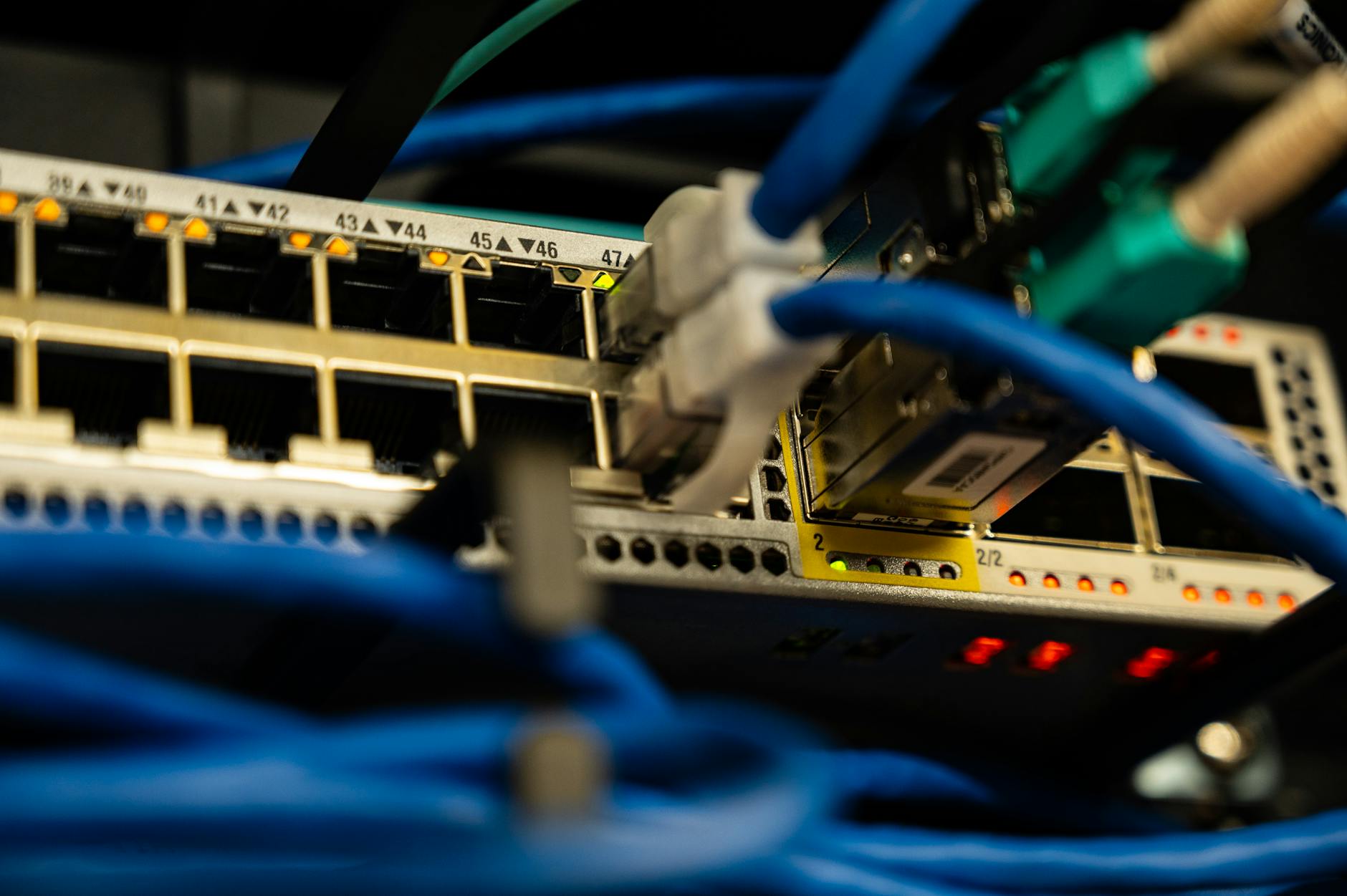
Routing, failover, caching, and the spend attribution nobody else provides — against a new single point of failure.

Rate limits and p99 latency decide more deployments than per-token pricing. Plus why identical weights serve differently.

What actually changes between running your own vector database and paying for a managed one. Model Drop breaks down what actually matters here.

A roundup of platforms that bundle model access, hosting, and tooling for teams without a dedicated ML infrastructure hire.
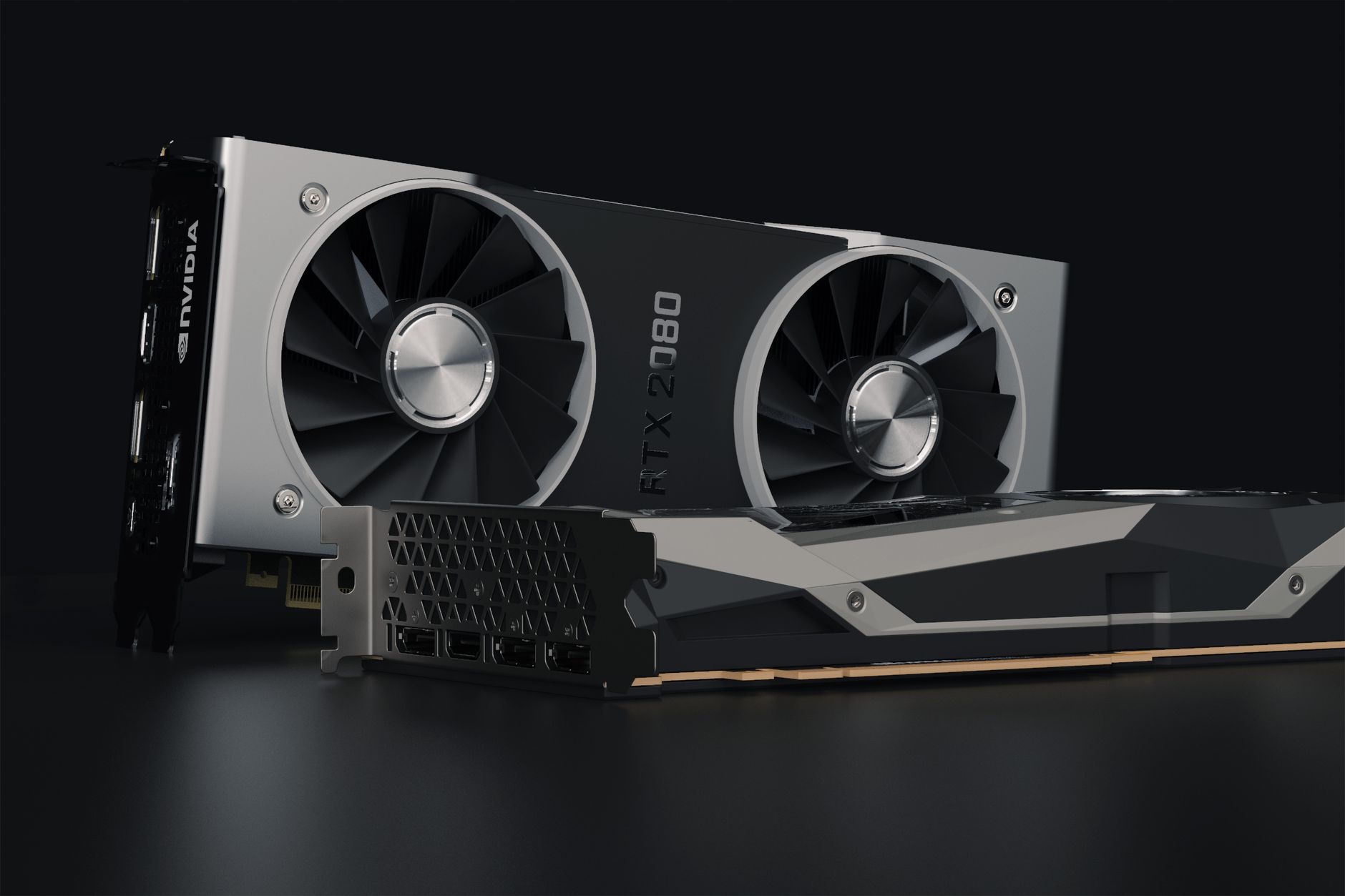
How pay-per-second GPU platforms actually perform on cold starts, scaling, and cost compared to reserved capacity.

Frontier to budget spans three orders of magnitude. Picking the right rung matters more than picking the right vendor.

Free weights are not free inference. The cost case lives on a utilization curve, and residency is a better reason anyway.